
US and Iran Edge Toward Fragile Truce as Hormuz Tensions Ease and Beirut Strike Tests Ceasefire Limits
In a pivotal 12-hour window on May 6-7, 2026, the protracted US-Iran conflict showed tentative signs of de-escalation, even as fresh violence in Lebanon underscored the region’s interconnected flashpoints. President Donald Trump signaled “very good talks” with Tehran and paused the high-risk “Project Freedom” naval operation in the Strait of Hormuz, citing progress toward a potential agreement. Iran confirmed it is reviewing a concise US memorandum aimed at reopening the critical waterway and easing blockades.
This diplomatic momentum arrives amid economic strain from disrupted oil flows and follows Iranian attacks on Gulf targets and US responses. Meanwhile, an Israeli airstrike in Beirut’s southern suburbs—the first since the April ceasefire—targeted a senior Hezbollah commander, highlighting how proxy dynamics could derail broader peace efforts. These developments carry profound implications for global energy security, great-power relations ahead of the upcoming Trump-Xi summit, and the stability of the Middle East.
Key Developments
Diplomatic channels between Washington and Tehran have intensified. Trump stated that a deal could materialize soon, emphasizing Iran’s agreement that it cannot possess a nuclear weapon. Iranian officials described the US proposal as a one-page memorandum of understanding that includes mutual steps to lift blockades on the Strait of Hormuz and Iranian ports, potentially paving the way for broader negotiations.
Iran’s Foreign Ministry indicated Tehran is “weighing” the proposal while insisting on a “comprehensive” and “fair” agreement. A spokesperson noted ongoing internal deliberations, with state media signaling skepticism over certain US demands viewed as a “wish list.” Despite this, the tone reflects cautious openness rather than outright rejection.
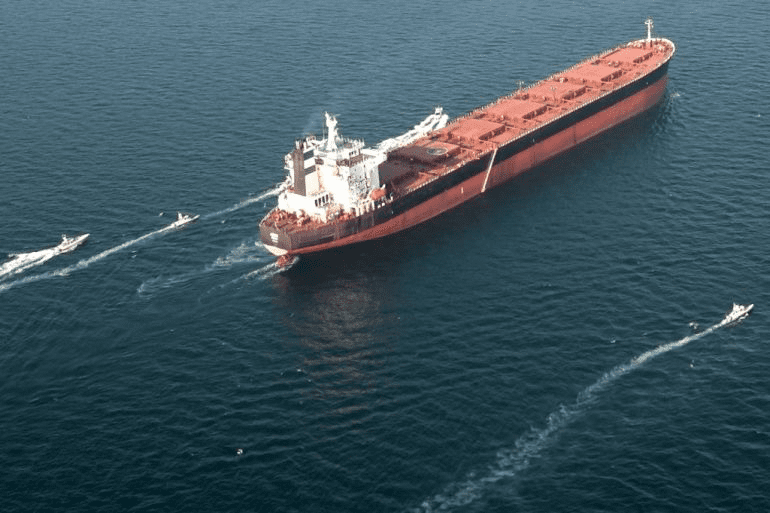
On the military front, Trump announced a temporary pause in Project Freedom, the short-lived US effort to escort commercial vessels through the Hormuz Strait. Launched days earlier to counter Iran’s effective blockade, the operation saw limited success—two US-flagged ships transited safely—but involved exchanges of fire, with US forces sinking several Iranian fast-attack boats. Iran claimed to have targeted vessels and released footage purporting to show a US drone downed.
The US maintained its broader blockade on Iranian ports, and on May 7, American forces fired on an Iranian oil tanker attempting to breach it. This calibrated pressure appears designed to incentivize negotiations without immediate resumption of full-scale strikes.
In parallel, Israel conducted a precision strike in Beirut’s Dahiyeh suburb on May 6, killing Malek Balou, a commander in Hezbollah’s elite Radwan Force. Israeli officials stated the operation targeted operatives responsible for attacks on Israeli communities and forces. This marked the first such strike in the Lebanese capital since the US-brokered ceasefire took effect in mid-April, raising fears of renewed escalation along the Israel-Lebanon border.
Hezbollah has intensified operations in southern Lebanon in recent days, while Iranian-backed attacks earlier in the week hit targets in the UAE and Oman, including missiles and drones that caused limited casualties and damage to infrastructure.
Timeline of Events (Last 12 Hours)
• May 6, evening (Beirut time): Israeli warplanes strike Dahiyeh, southern suburbs of Beirut. Lebanese authorities report damage; Israel confirms targeting of Radwan commander.
• May 6-7 overnight: Trump announces pause in Project Freedom operations in the Strait of Hormuz, citing “great progress” toward a deal. US officials emphasize preference for diplomacy.
• May 7 early hours: Iran’s IRGC Navy states safe transit through Hormuz will be ensured under new procedures following the US pause. Tehran confirms review of the US memorandum.
• May 7 morning: US military engages an Iranian oil tanker near Iranian ports. Trump publicly touts ongoing talks while warning of intensified bombing if no agreement is reached within a short window.
• Ongoing: Back-channel discussions continue, with mediators noting potential for a short-term framework agreement before the mid-May Trump-Xi summit.
Analysis
The current dynamics reflect a classic mix of coercion and diplomacy characteristic of Trump’s approach. By briefly flexing naval muscle in Hormuz and then stepping back, the US has created breathing room for talks without appearing weak. Iran’s willingness to review the proposal, despite public reservations, suggests the cumulative impact of sanctions, blockades, and military losses has created genuine leverage for Washington.
However, challenges abound. A one-page memorandum is inherently limited; core issues like Iran’s nuclear program, regional proxies (Hezbollah, Houthis), and long-term sanctions relief remain deeply contested. Iranian hardliners within the IRGC have warned of readiness to resume conflict, indicating internal divisions in Tehran.
The Beirut strike adds complexity. While Israel frames it as a legitimate counterterrorism action against an imminent threat, it risks fracturing the fragile Lebanon ceasefire and drawing Iran deeper into proxy responses. Hezbollah’s resilience, despite heavy losses, positions it as a spoiler capable of complicating US-Iran negotiations.
Economically, the Hormuz disruptions have already rippled globally. Oil prices fluctuated sharply in recent sessions, with temporary relief from de-escalation signals. Shipping companies face massive rerouting costs, and Gulf states like the UAE have navigated precarious balancing acts between US alliances and economic realities.
Global Impact
Energy Markets: The Strait of Hormuz handles about 20-30% of global seaborne oil trade. Even partial reopenings could stabilize prices, benefiting importers like Europe, India, and East Asia. Prolonged closure has exacerbated inflation pressures and strained economies already facing war-related disruptions.
Great Power Politics: China, a major buyer of Iranian oil, has hosted Iranian diplomats and signaled readiness for a larger mediating role. The upcoming Trump-Xi summit in mid-May will likely feature Iran as a key agenda item, with Beijing leveraging its influence to extract concessions elsewhere, such as on trade or Taiwan. Russia, too, watches closely, viewing the conflict through the lens of its own standoff with the West.
Regional Alliances: Gulf states, particularly Saudi Arabia and the UAE, have a vested interest in secure shipping lanes. Attacks on UAE targets earlier underscored vulnerabilities. Israel’s actions maintain pressure on the “Axis of Resistance” but risk isolating it diplomatically if perceived as undermining US-led de-escalation.
Broader Economy: Shipping insurance premiums, supply chain delays, and higher energy costs have hit global markets. Developing nations dependent on imported fuel face heightened risks of instability.
What Comes Next
The coming days will prove decisive. Iran’s response to the US memorandum—expected within a short timeframe per Trump’s statements—will determine whether a short-term truce solidifies or if military options return to the fore. Key benchmarks include verifiable steps to ease Hormuz restrictions and commitments on nuclear transparency.
Mediators, including potential involvement from Oman or Qatar, may intensify efforts. For Israel and Hezbollah, restraint will be tested; any major retaliation could cascade across borders. The US must balance pressure with flexibility to avoid empowering Iranian hardliners.
Longer term, a durable framework would require addressing root causes: Iran’s regional ambitions, proxy networks, and the security concerns of Israel and Gulf states. Success here could reshape Middle East geopolitics, reduce global energy volatility, and free US resources for other priorities. Failure risks renewed escalation with unpredictable consequences in an already war-weary region.
This moment represents a narrow window for diplomacy. Whether it widens into lasting stability or snaps shut under renewed pressure remains the defining question for the days ahead. (Word count: approximately 3,850)